Yes or No: How to Ask Tarot an Unspoken Question and Get a Clear Answer
You do not have to say your question out loud. Three rules for wording it, the one-card method and the three-card count - and why an answer from the cards is a possibility, not a verdict.
Before a reading I usually ask my client questions: what the situation is, how it has been unfolding, what the context looks like. That context helps me interpret the spread better and more correctly. But it does not always go that way. Sometimes a person does not want to share their story, for reasons of their own. That is completely fine.
For moments like that there is the unspoken question. You do not have to tell me what you are asking. You word the question for yourself, hold it in your mind, and out loud you say only: “My question - yes or no?” Your story stays with you, and so does the question itself; a properly worded question is enough for the cards, even unspoken. The clarity of the answer still depends on the wording, so first three rules of wording, and then how I actually get the answer.
One question, one outcome, one deadline
The most important thing is to word the question narrowly. One question, one outcome, a concrete deadline. “Will I hear back from the employer by the end of October?” works better than “What will happen with my job?”. Run the first question through the formula: one question, about the employer’s reply; one outcome, the reply either comes or it does not; a concrete deadline, the end of October. “What will happen with my job?” is everything at once, and a yes or a no has nothing to attach itself to.
And keep “or” out of the question. “Or” builds two outcomes into one question, and a yes-or-no question needs exactly one.
Always set a time frame
The future is variable, so always limit the period. Be specific: “by the end of the year”, “within a week”, “this month”. The question about the employer works also because “by the end of October” is in it. Take the deadline out, and the question hangs in a variable future with no borders.
Ask about what should happen
Word the question positively: ask about what should happen, not about what you want to avoid. Negation blurs the focus. Instead of “Am I about to lose my job?” ask “Will I keep my position until the end of summer?”. At heart it is the same question, but the focus is now on what should happen, and that is what the cards will answer.
One card: worth trying, not always reliable
The simplest way to get the answer is the one-card method. I shuffle the deck holding the question in my mind, and I draw a single card. The method is not always reliable, but it is worth a try.
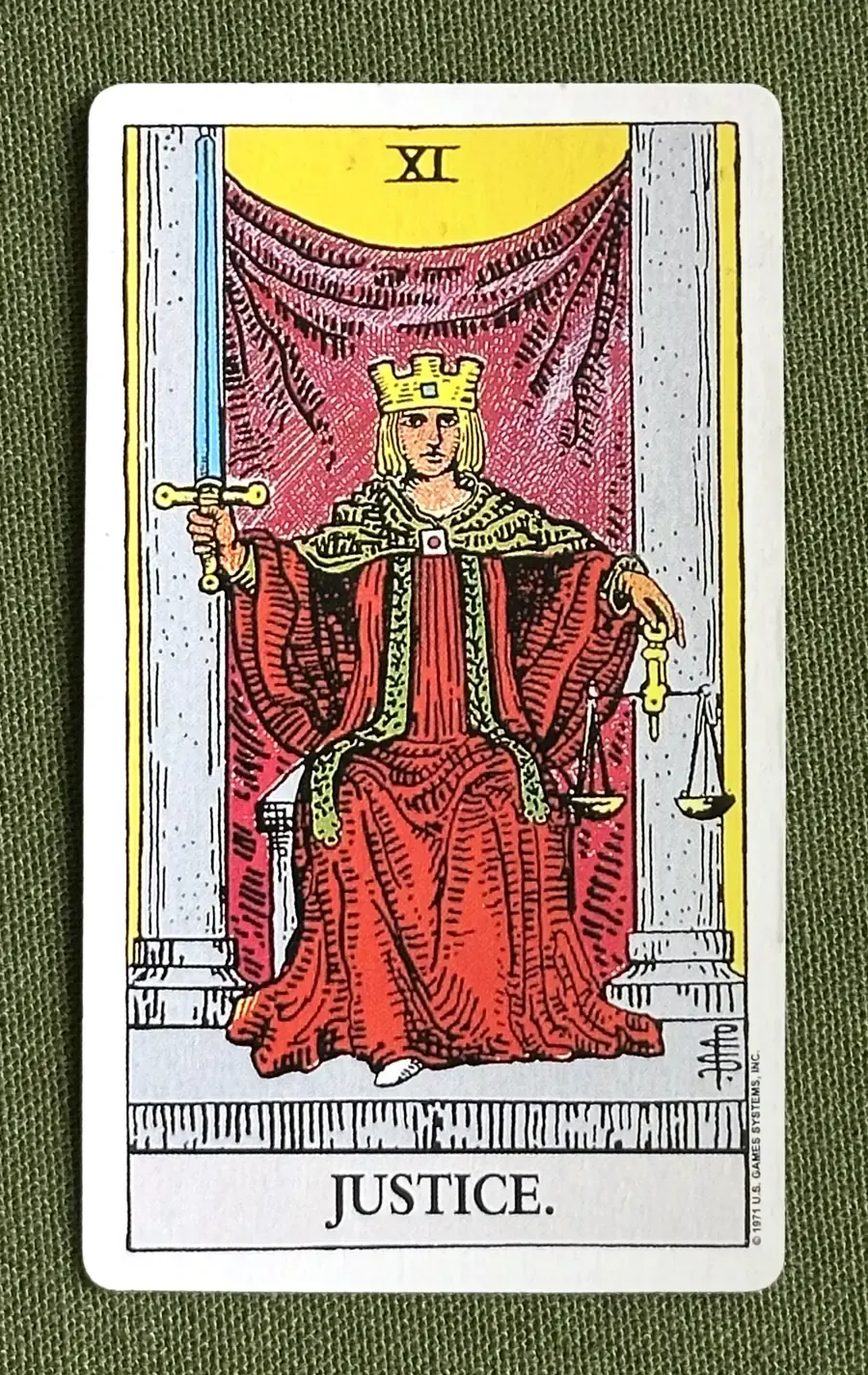
An example from my readings. The question: “Will I keep this position for the next five years?” The card that came up was Justice. And right here the one-card method runs into its weak spot: Justice does not answer yes or no. A card can do more than answer yes or no; it can show the condition of the answer. Justice means “yes, if the conditions are met”.
That is why one card often turns into three on the spot: a single card may not bring clarity. So I would use three cards.
Three cards and how the answer adds up
The method itself stays the same: I shuffle the deck holding the question in my mind, only now I draw three cards instead of one. And the answer follows a simple rule.
If two positive cards come up with one negative, the answer is “yes, but with obstacles”: the cards say the event will happen, and the road to it will not be smooth.
If all three cards are positive, that is an absolute yes.
If all three are negative, that is a categorical no.
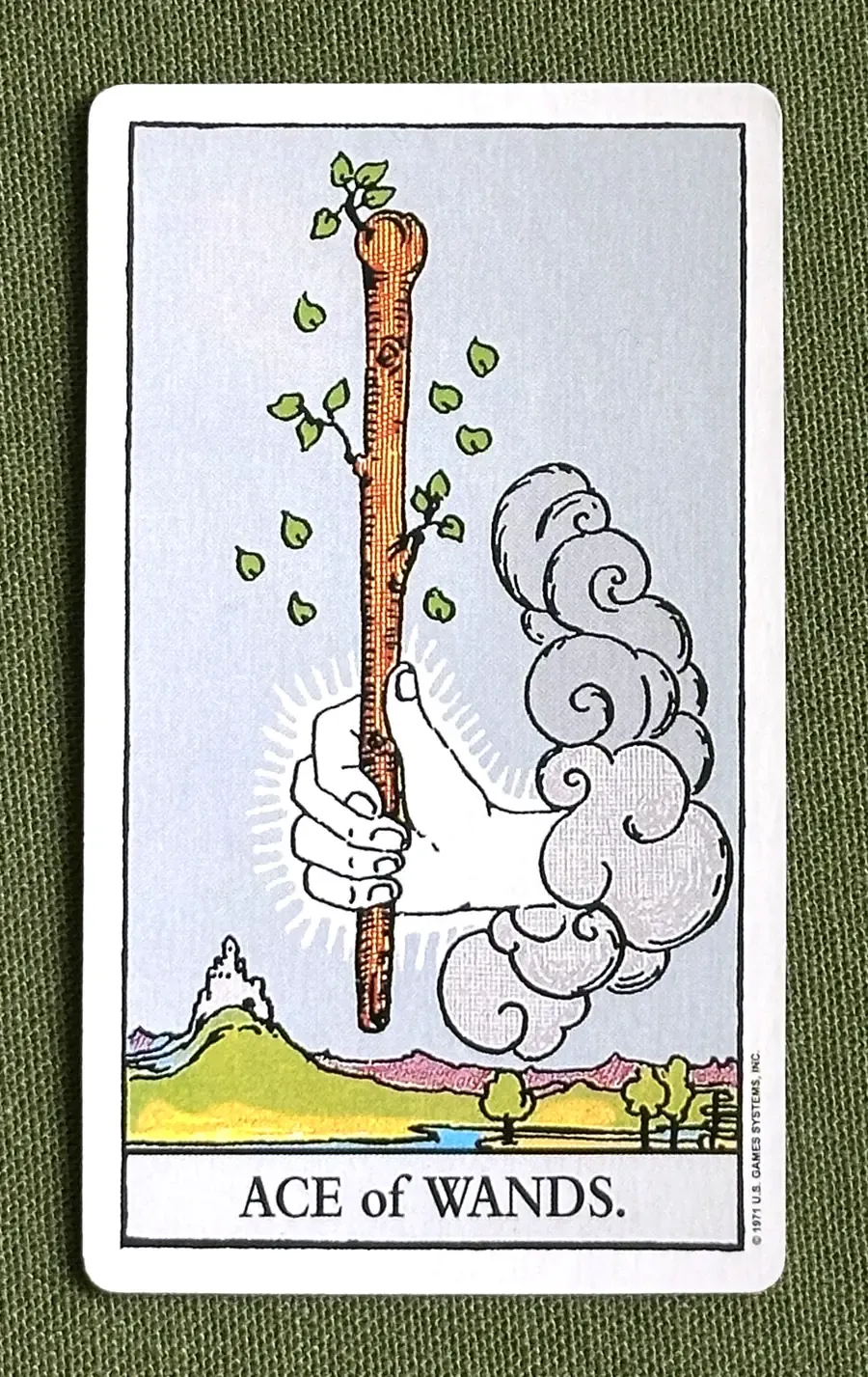
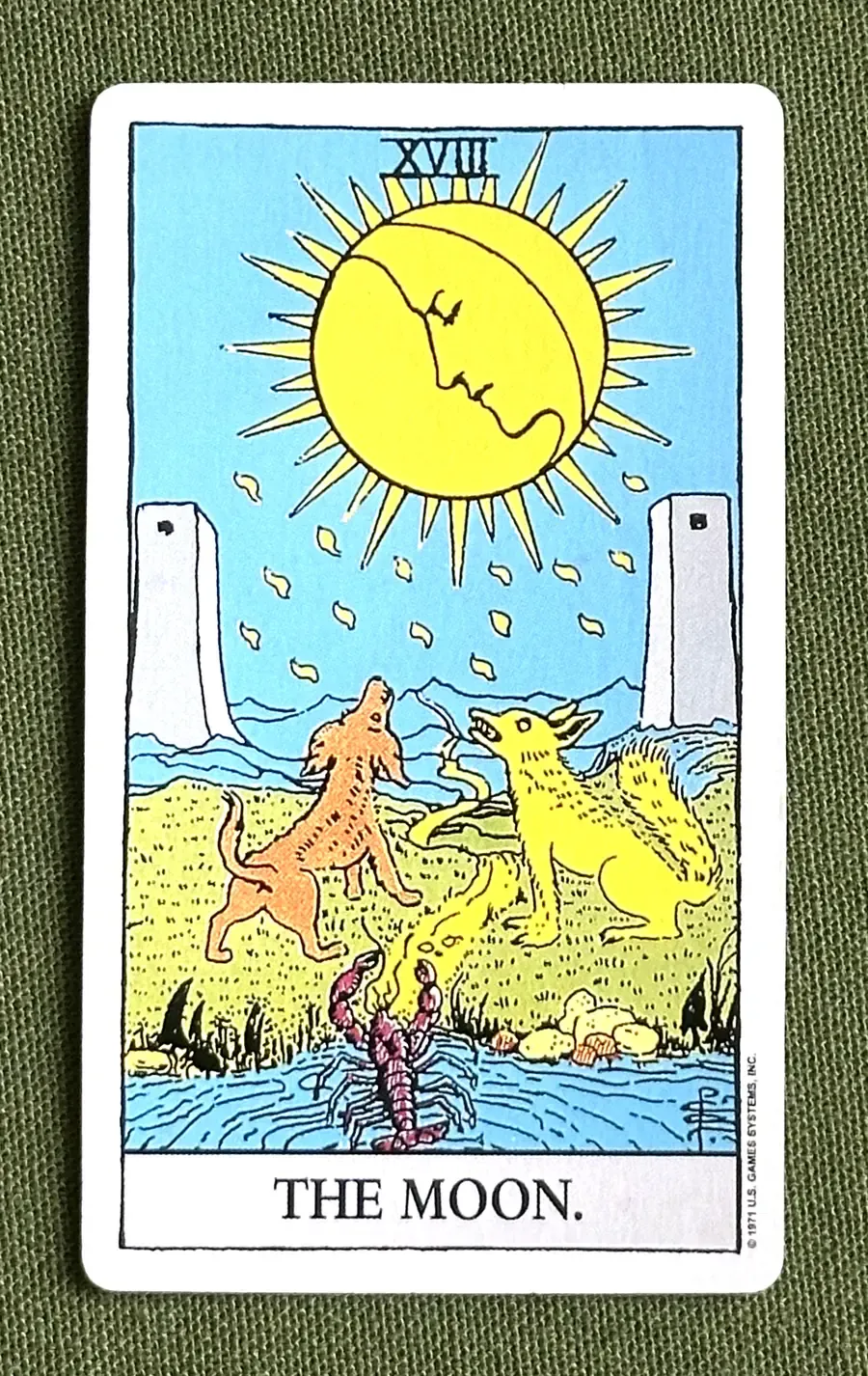
But even with three cards the answer can be richer than a simple count: the cards can say that every chance is there, and in the same breath show you what to watch. Here is the same question from my readings, “Will I keep this position for the next five years?”, this time with three cards: Justice, the Ace of Wands and the Moon.
Justice: the answer will be honest and earned. The outcome depends on the facts and on what you have already done. Not a pure yes, but “yes, if everything is fair”.
The Ace of Wands: the strongest yes-card in this spread. A new start, energy, opportunity.
The Moon: unclarity. Some information is still hidden, or you yourself do not fully see the situation.
Together they read like this: the chance is there, and it is real, but not everything is visible yet. Check the facts, and do not lean on expectations or rumors.
A possibility, not a verdict
The cards show a tendency, the near outcome, not a verdict. The Moon in this spread hints that the situation has not settled yet and can still change. So “more yes than no” is a possibility, not a guarantee, because everything depends on what you do next.
Read any answer to a yes-or-no question this way. The right wording gives you a clear answer, and what you do with that answer is up to you.
If you need a yes or a no
An unspoken question can also be part of a reading I do for you. You do not have to tell me your story, and you do not have to tell me the question either. Word it for yourself - narrow, with a time frame, about what should happen - hold it in your mind, and to me say only that you need a yes or a no. Then we will see what the cards say, with one card or with three, with conditions or without.
And if your question still feels too wide, like “What will happen with my job?”, the three rules above will narrow it down to one outcome and one concrete deadline. The question stays yours alone.
Book a reading and get your clear answer.
Bring me your own question
Ask me about your own situation — I’ll lay the cards for it, record the reading and send it back within 24 hours, with a written summary and a photo of your spread.